

Start with a discreet check-in, a one-minute breathing routine, and a stocked calm-down corner. These three zones of regulation activities work for teachers, therapists, and parents of children, and you can run all three today. Remember: no zone is “bad”; every activity here helps a child notice where they are and move toward where they want to be. For deeper support, the official Zones downloads and Edhed Learning’s printable bundles are your next stop.
TL;DR:
- Using tokens or visual check-ins allows children to privately identify their zone without pressure or shame, especially during transitions.
- Simple, quick activities like breathing exercises and movement breaks effectively reset children’s energy levels in just one to five minutes.
- Activities should be tailored to each zone, with sensory regulation tools for the Blue and Red zones and social activities for the Green zone, to support sustainable regulation.
- Consistent integration of zone check-ins and strategies into daily routines at school and home strengthens children’s self-awareness and response skills over time.
- Visual, tactile resources and personalized toolkits improve regulation success, particularly for neurodivergent children, by minimizing verbal instructions and emphasizing practice.
Table of Contents
- Quick Zones of Regulation Activities You Can Run in 5 Minutes
- Activities Mapped to Each Zone
- How to Build Zones Check-Ins Into Your Daily Routine
- Zones Activities for the Classroom, Therapy Room, and Home
- Adapting Zones Activities for Neurodivergent Learners
- Free and Printable Zones of Regulation Resources
- Why Visual, Hands-On Tools Actually Change Behavior
- Build a Complete Regulation Toolkit With Edhed Learning
- Sources
Quick Zones of Regulation Activities You Can Run in 5 Minutes
You don’t need a full lesson plan to start using the Zones today. These five routines fit into transitions, morning meetings, or a two-minute reset between subjects.
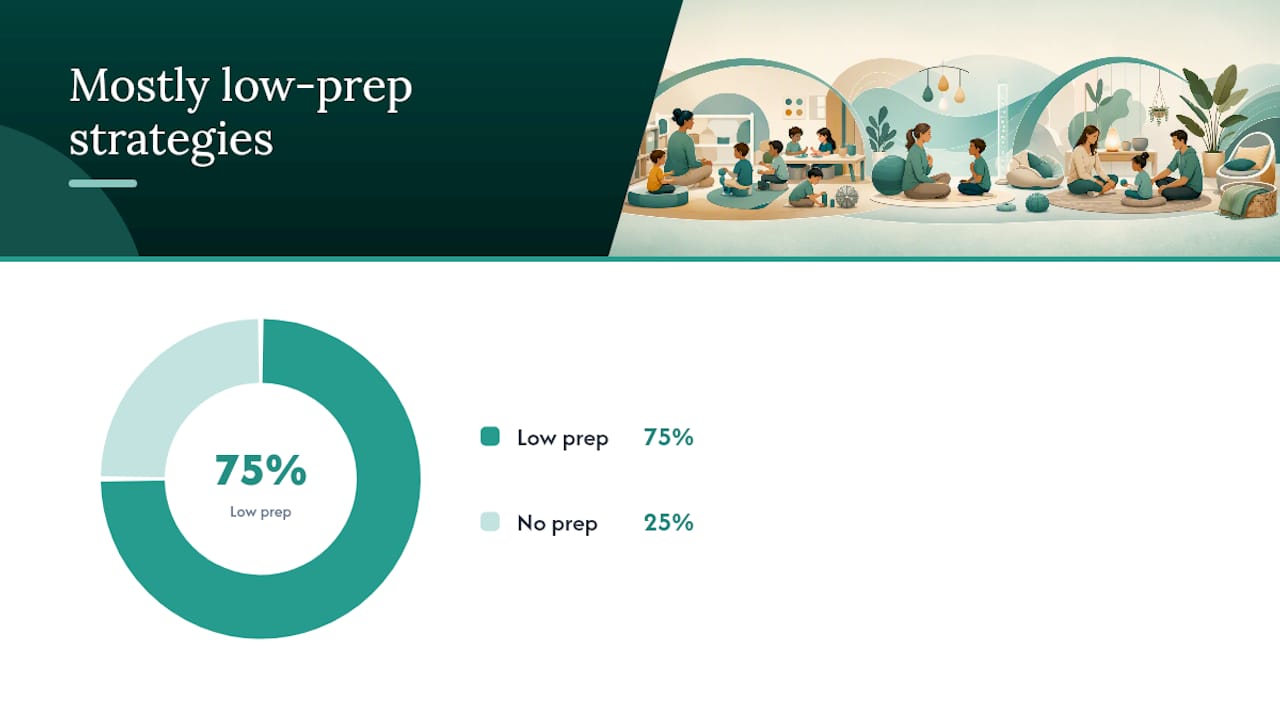
- Discreet check-in with a token or magnet. Give each child a small token (a poker chip, magnet, or pom-pom) in each of the four zone colors. Have them place their token on a chart at their desk or a shared board, no talking required. This keeps the information private and lets a child skip it entirely if they’re not ready to share, which protects dignity better than a public call-out.
- Lazy 8 breathing. Trace a sideways figure eight on paper or in the air, breathing in on one loop and out on the other, for six to eight rounds. It takes 60 seconds and works standing in line or seated at a desk.
- One-minute movement break. Jumping jacks, wall push-ups, or marching in place for a full minute burns off Yellow Zone energy fast, especially useful right before a test or after recess.
- Feelings memory match. Pair emoji or face cards with zone-colored cards. Kids flip two at a time and name the zone. A short activity, minimal preparation needed.
- Three-step calm-down corner routine. Point to the corner, hand over a weighted lap pad or fidget, and set a visual timer for a brief, timed period. Keep the corner stocked with a sensory item, a breathing card, and a “size of the problem” scale.
A simple script helps here too: “I notice your voice got louder. What zone do you think you’re in right now? What’s one tool from your list that might help?” That phrasing names the behavior without judgment and hands the choice back to the child.
Pro Tip: Keep your calm-down corner materials in a small caddy you can move between rooms. A stationary corner works for one classroom, but a portable kit travels with you to recess duty, the cafeteria, or a home visit.
Activities Mapped to Each Zone
The Zones framework sorts feelings and energy levels into four colors: Blue (low energy, like sadness or tiredness), Green (calm and ready to learn), Yellow (heightened energy, like frustration or excitement), and Red (intense feelings, like anger or panic), and it teaches kids to name their zone before choosing a strategy. Below are activities you can pull from immediately, organized by zone and roughly by how much setup each one needs.
Blue Zone: low energy, sad, tired, bored
- Slow stretch sequence (no prep, 5 minutes): Guide five gentle stretches while naming each body part. Good for morning arrival or after lunch.
- Warm drink or snack break (low prep): A warm beverage and a quiet five minutes can lift energy without overstimulating.
- Gratitude jar (low prep, ongoing): Kids write or draw one good thing daily and drop it in a jar. Revisit regularly.
- Quiet reading nook (no prep): A beanbag and a basket of low-stakes books gives a Blue Zone learner permission to disengage briefly.
- Gentle music with headphones (low prep): Five minutes of instrumental music can nudge energy back toward Green.
- Body scan check-in (no prep): Ask “where do you feel tired in your body?” to build interoceptive awareness.
Green Zone: calm, focused, ready
- Feel-good bingo (low prep): A bingo card of kind acts or calm behaviors reinforces the zone kids want to stay in.
- Peer compliment circle (no prep): One minute of naming something you appreciate about a classmate.
- Green Zone journal (low prep): A simple prompt, “What does calm feel like in your body right now?”
- Mindful coloring (low prep): Five minutes with a printable mandala keeps hands busy without escalating energy.
Yellow Zone: frustrated, excited, nervous, silly
- Squeeze and release (no prep): Squeeze a stress ball or fists for five seconds, release, repeat five times.
- Countdown breathing (no prep): Breathe in for four counts, hold for four, out for four.
- Movement station rotation (low prep, 10 minutes): Set up three stations, jumping, wall pushes, and a balance beam, and let kids cycle through.
- Size of the problem scale (low prep): A visual 1 to 5 scale helps a child match their reaction to the actual size of what happened, which builds proportionate responses over time.
- Fidget menu (low prep): Offer three or four fidget options so the child picks what actually works for them.
Red Zone: anger, panic, elation that’s too big
- Push against the wall (no prep): Fifteen seconds of heavy work against a solid surface discharges intense energy safely.
- Safe space retreat (low prep): A designated corner with no questions asked for a brief, timed period.
- Deep pressure hug or weighted blanket (low prep, with consent): Deep pressure input calms the nervous system for many kids.
- Draw the anger (low prep): Scribbling hard on scrap paper, then tearing it up, gives an outlet without harming anyone.
Pro Tip: Never require a child to demonstrate a Red Zone strategy publicly. Offer it, model it once during a calm moment, and let them choose whether to use it during an actual escalation.
Use these activities to support regulation, not to punish a zone. A child in Blue or Red isn’t misbehaving; they’re communicating a need.
How to Build Zones Check-Ins Into Your Daily Routine
Zones of regulation activities stick when they’re woven into the day rather than taught once and forgotten. Here’s a simple rollout plan.
- Start with a morning check-in. Two minutes, tokens or a show of fingers (1 to 4 for each zone), done as kids enter.
- Repeat at transitions. Before recess, after recess, before dismissal. Three check-ins a day builds the habit without eating instructional time.
- Offer a pass, always. A child who doesn’t want to check in that moment should be able to skip it. Forcing disclosure raises anxiety instead of lowering it.
- Post visual “Tools to Try” charts. One poster per zone, listing three to five strategies with icons, at eye level near the calm-down corner.
- Run rotation stations regularly. Let kids practice breathing, movement, and sensory tools in a low-stakes ten-minute block so the tools feel familiar before a real meltdown happens.
- Pair zone talk with size-of-problem talk. Ask “what zone are you in?” and “how big is this problem, really?” together, which helps kids match their response to the actual situation instead of overreacting to a small setback.
Keep your language consistent across adults in the building. If one teacher calls it a “cool-down corner” and another calls it “time out,” kids get confused about whether the space is a support or a consequence.
Zones Activities for the Classroom, Therapy Room, and Home
Where you’re running these activities changes what’s practical. Here’s how to adapt the same core ideas across three settings.
- Whole class: Run feel-good bingo, emotion charades, or a class-wide check-in graph where kids place a sticky note on a chart each morning. Classroom-embedded SEL routines like exit tickets and cooperative games work well here because they don’t single anyone out.
- Small-group or therapy setting: Use role-play scripts where a child acts out a scenario (“your block tower fell down”) and practices naming the zone and picking a tool. Station rotations let kids trial several strategies, breathing, fidgets, movement, before they need one under real stress.
- Home: Parents can run a nightly two-minute check-in at dinner or bedtime, using the same tokens or chart the school uses. Consistency between home and school language matters more than which specific tool a family picks.
- Materials to keep on hand: zone-colored cards or tokens, a visual timer, a simple fidget basket, and a printed size-of-problem scale. None of this needs to be expensive or elaborate.
Coach parents specifically on carryover: send home a one-page cheat sheet listing the same three or four strategies used at school so a child doesn’t have to relearn a new system at home.
Adapting Zones Activities for Neurodivergent Learners
A one-size approach rarely works for kids with ADHD, sensory processing differences, or executive-function challenges. Build a personal regulation toolkit instead: a set of “Tools to Try” cards specific to that child, paired with a one-page zone plan you review together.
- Lean on sensory input. Heavy work (carrying books, wall push-ups), weighted lap pads, and simple fidgets often help more than verbal strategies for sensory-seeking kids.
- Simplify instructions. One step at a time, visual-first. A picture of “squeeze the ball” beats a paragraph of text for a child who’s already overwhelmed.
- Use visual timers, not verbal countdowns. A timer a child can watch reduces the anxiety of not knowing how long a calm-down break will last.
- Practice in short, repeated bursts. Five minutes daily beats one long session regularly for building a habit that transfers to real moments.
- Track progress simply. A checklist noting which strategy was used and whether the child reported it helped gives you data without turning regulation into a test.
Edhed Learning’s ADHD emotional regulation course was built around exactly this kind of visual-first, tactile approach for kids who need extra scaffolding.
Pro Tip: Let the child help design their own toolkit card. A strategy they picked themselves gets used far more often than one an adult assigned.
Free and Printable Zones of Regulation Resources
Before you buy anything, grab what’s free. The official Zones downloads include an implementation guide, classroom visuals, and the “All the Zones Are OK” sheets that set the right tone from day one.
- Check-in charts: Laminate them and use velcro dots so kids can move their marker daily without needing a new printout.
- Emotion cards: Great for the memory-match game and for building vocabulary during calm moments, not just crises.
- Calm-down corner signage: Post the size-of-problem scale and a “Tools to Try” list right where the corner is used.
- Creator videos on dos and don’ts: Watching short training clips helps prevent the most common misuse, treating zones as a reward or punishment system instead of a self-awareness tool.
Customize on the fly with a dry-erase marker over laminated cards, so the same printable serves a five-year-old and a ten-year-old with different vocabulary needs.
Why Visual, Hands-On Tools Actually Change Behavior
Kids don’t regulate because they’re told to. They regulate because they’ve practiced noticing their body and picking a tool enough times that it becomes automatic, and that only happens with repetition, not a single poster on a wall. Bright visuals and tactile worksheets work because they give a child something to do with their hands while their brain catches up, which is exactly why Edhed Learning builds its emotional intelligence resources around interactive, laminated-ready formats rather than text-heavy handouts. The gap between knowing the Zones exist and actually using them under stress is where most programs quietly fail, and closing that gap takes daily, low-stakes practice, not a one-time assembly.
— Shaun
Build a Complete Regulation Toolkit With Edhed Learning
If you’ve read this far, you already know that scattered printables and a single poster won’t cut it. The Neurodivergent Focus & Regulation Worksheets Bundle gives you the individualized “Tools to Try” cards, check-in charts, and printable supports this article walks through, already designed and ready to print, no time spent building your own from scratch.
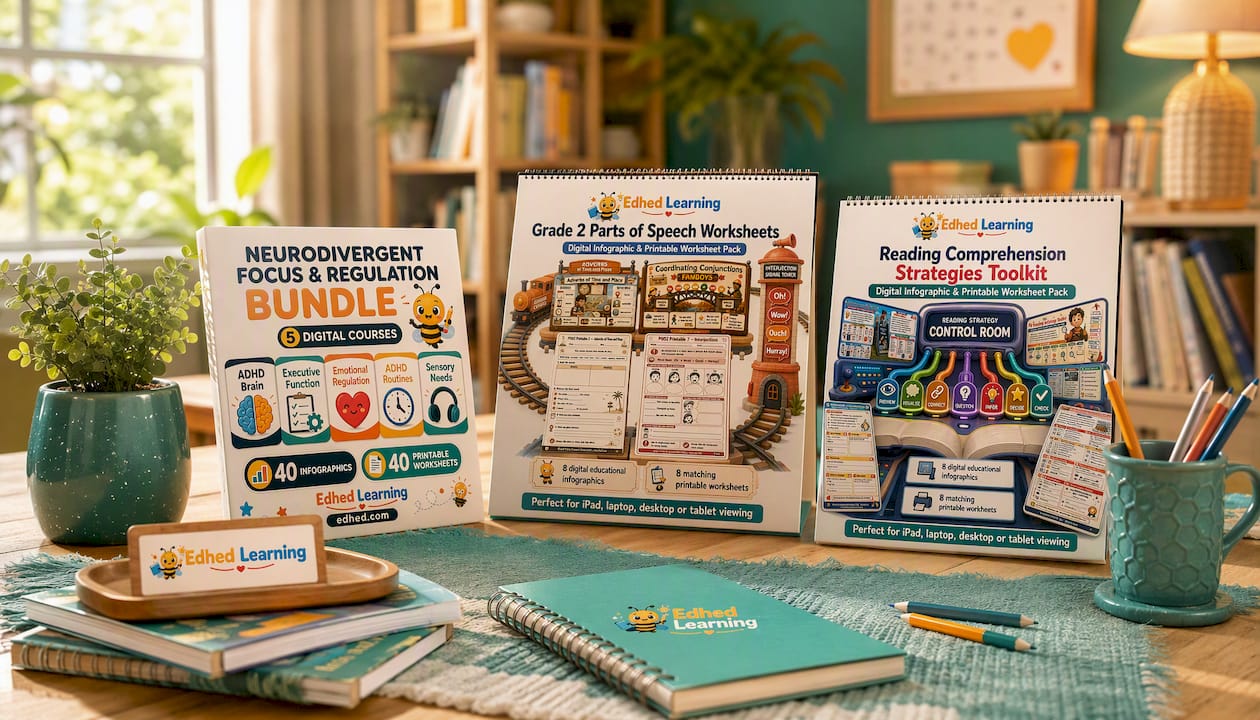
If you’re building out a broader classroom library, Edhed Learning’s Grade 2 Parts of Speech Worksheets and Reading Comprehension Strategies Toolkit show the same visual-first, hands-on format applied to academic subjects, useful if you want one consistent design language across every worksheet you hand a child. Download the neurodivergent bundle today and have your first personalized toolkit card printed before your next class transition.


